


Inside: Five tips on how to build teen self-esteem straight from a licensed child development social worker.
Any parent of an adolescent knows a teenager’s self-esteem is a fragile thing.
And as a social worker in the foster care space, I know firsthand that helping teens develop a strong sense of inner strength and a positive self-image – whether they are your biological child or foster child – is often one of the most difficult challenges faced by a parent.
Even when a youth has the foundation of a supportive family, the reality is that being a teenager can be challenging. Today’s adolescents are dealing with a myriad of issues, including bullying, body image, academic pressures, violence in schools, social media, and peer pressure, all of which can impact a teen’s self-esteem and mental health.
This is where a few tried and true parenting skills can make a difference and equip your teen with the tools to build their self-esteem and ensure they develop into healthy, high-functioning individuals.
How does self-esteem develop?
At about two to three years of age, the medial prefrontal cortex (mPFC) begins to develop, and the brain begins to understand how others see us. By the time a child reaches the age of five, they realize two people can have differing views of them, and that each perspective can be correct.
For example, telling them, “You’re a good student,” activates the mPFC in their brain and they respond positively regardless of their grades or test scores. As they become adolescents, the mPFC activated response is developed, and their ability to form contextual opinions is established.
The bottom line is that positive or negative self-judgements are formed based on childhood experiences (Dr. R. J. Jackson, October 2021)
What does this have to do with teen self-esteem?
A teen’s tendency to either be secure or critical of themselves is formed in their early years. Sometimes, the childhood experiences that create a sense of self-worth are compromised when basic needs are not met, or when trauma or instability permeates their understanding of the world.
Low self-esteem can be particularly hard for all young people, but it can be expounded for teens in times of transition like starting a new school and forming new friendships and relationships, and especially for teens experiencing foster care. Negative thoughts can start to creep in and become pervasive in their developing brain.
A teen’s self-image is easily swayed by the way they see themselves, how well they’re doing in school, their exposure to drugs and alcohol, and the feedback they receive from parents, teachers, and peers.
Signs of low self-esteem in teens include:
A negative self-image can manifest itself in several ways, and some can be intertwined with mental health issues, such as depression, anxiety, or other mood disorder. Some signs of low self-esteem can include:
- Isolating behaviors, particularly on activities they once enjoyed.
- Negativity when talking about oneself or others.
- Irrational feelings of guilt or shame.
- Constantly apologizing for every behavior.
- Prefers or is obsessed with fantasy worlds, including video games, movies, etc. to avoid social interaction. Also may be drawn to watching videos or scrolling social media compulsively.
- Avoids competition or trying new things for fear of embarrassment.
- Negative body image, including slouching, looking down, walking behind others, etc.
- Excessive bragging to compensate for low self-esteem. This can also impact their ability to make friends.
- Disordered eating habits.
Of course, should you be concerned about your teen’s physical or mental health, you should immediately contact your family health practitioner or a mental health counselor.
The good news is you can help them through this period of growth!
How you can improve teen self-esteem
Whether you’re raising your own biological teen children, caring for a teen in foster care, or are just around teens on a regular basis, boosting their self-esteem can be as easy as listening and guiding them to make choices that help them build confidence and resilience. Here are five ways you can encourage a healthy self-esteem in your teen:
- Be a role model. Teens pay more attention to your actions than they do to your words, so lead by example. Teens don’t always want to listen to their parents, so help them find a mentor who they respect. Whether it’s you or another adult, make sure you are modeling what positive self-esteem looks like. Try not to engage in negative self-talk or putting yourself down for making mistakes.
Talk to your teen about what you do when you are anxious, stressed, or feeling down to take care of your mental well-being. Remind them the goal for life is not perfection, but instead contentment with who you are as an individual. - Take an interest in them. Everyone has their own strengths. Helping your teen focus on things they enjoy and develop their talents will go a long way to toward building your child’s self-esteem. Find out what interests them and support them in pursuing it. Remember, it’s about finding things they enjoy and boost their confidence, not about their achievements within the activity.
A great way to do this is by finding time for one-on-one interactions with your teen to do something they enjoy. Whether it’s seeing a movie or sporting event, going to their favorite restaurant, or even playing video games together, your teen will appreciate you showing you are invested in whatever it is they want to do (even if they roll their eyes about it).
And when you do have that quality time, remember to put your own distractions and phone away. Be present in the moment. - Coach them. All children and teens need to do things for themselves to learn. As much as you want to protect them, it’s better to provide support rather than trying to control every situation. Teach them self-respect by creating conditions that will help them make smart decisions about their health, relationships, and academic success (2InGage, September 2019). Encourage them to find solutions in a positive way, and offer helpful tips for problem-solving.
- Praise them. Letting your teen know you love and accept them just the way they are creates a sense of security. When they know they are valued for themselves instead of their ability to meet certain conditions, they can identify and appreciate the traits that make them unique. Help your teen work towards realistic goals and reward them for trying.
- Monitor social media usage. Social media platforms can be toxic to teens who constantly compare themselves to their peers. Regulating the amount of time spent on social media may be difficult, but can greatly reduce the chance your teen may be bullied or experience depression.
Wherever your teen is on the self-esteem spectrum, you can help and support them by showing them empathy, kindness, and love. If your teen continues to struggle with their self-esteem, consider reaching out to a therapist or mental health professional who can help them learn the skills they need to build a healthy sense of confidence and self-worth.
By Aubrey Sullivan, LPCC, ATR. Aubrey is a Clinical Onboarding and Development Specialist with Specialized Alternatives for Families and Youth (SAFY), a national child welfare nonprofit focusing on therapeutic foster care, family preservation, foster-to-adopt, and programming for youth aging out of the foster care system.
As a child welfare agency, SAFY works in seven states (Alabama, Colorado, Indiana, Kentucky, Nevada, Ohio, and South Carolina), supporting thousands of teens experiencing foster care. Teens experiencing foster care are just like any teen; but unfortunately, because of the negative perception that teens in foster care are “troubled” or “delinquent,” there is a shortage of families available to care for these youth. Visit www.safy.org and check out the great work being done to raise awareness about teens and foster care.
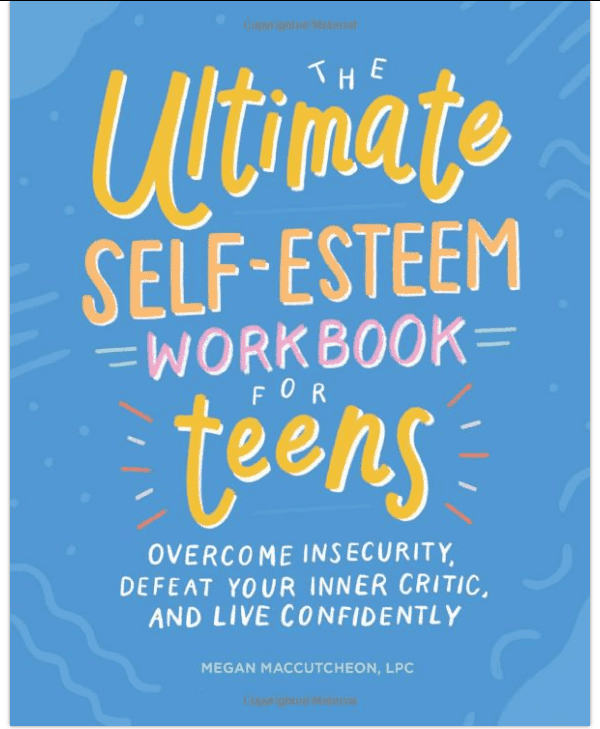
Looking for additional resources for teen self-esteem? We like these two self-esteem workbooks:
Just As You Are: A Teen’s Guide to Self-Acceptance and Lasting Self-Esteem (The Instant Help Solutions Series)

Raising teens and tweens is hard, but you don’t have to do it alone. Here are some posts other parents found helpful.
How To Have A More Peaceful Relationship With Your Teen ; Guaranteed
Signs Of Teenage Depression And How To Help
Dear Teen Who Struggles with Anxiety
5 Ways To Prevent High School Burnout
*Note: This post may contain affiliate links where we may earn a commission for products purchased on this site.