
Inside: Energy drinks and teens are not a great combination, and parents need to understand why and what can happen if their child is over-consuming these beverages.

Note: Parenting Teens and Tweens posts contain affiliate links where we may earn a small commission for products or services purchased on our site.
From long hours spent traveling to athletic competitions to late nights studying for exams, many teens seek an extra energy boost to help them fulfill the daily challenges of their lives. While some might grab a quick cup of coffee on their way too school, the appeal and accessibility of energy drinks has many turning to highly caffeinated products like Prime or Monster for a pick-me-up.
Related: These 5 Unhealthy Eating Habits Can Contribute to Your Teen’s Poor Mental Health
Thanks to a wide variety of products in appealing flavors, even teens who may not need the caffeine are regularly consuming energy drinks. However, the appeal of these products comes at a cost, as many teens are unaware of or choose to ignore their health risks. Parents too may be unaware of the dangers of energy drinks, believing that they are safe for children.
“Companies are marketing these drinks as giving children ‘energy,’ but the truth is energy drinks give kids a harmful caffeine rush and a crash afterwards,” said Dr. Edith Bracho-Sanchez, Director of Pediatric Telemedicine at New York-Presbyterian’s Ambulatory Care Network and assistant professor of pediatrics at Columbia University Vagelos College of Physicians and Surgeons, in an interview for New York-Presbyterian’s Health Matters. “We have to reframe the conversation. Energy should come from a good night’s sleep, a nutritious meal with protein and vitamins, and limiting screen time, so kids can perform throughout the day.”
What Is an Energy Drink?
An energy drink is a non-alcoholic beverage that contains caffeine, according to the American Beverage Association, which represents American-based non-alcoholic beverage companies. Depending on the product, these energy drinks may or not contain sugar and be available in zero or low-calorie varieties.
These drinks may also contain such other ingredients as B vitamins, ginseng and taurine, which some claim improves focus and energy. However, there is little evidence to support the effectiveness of these ingredients. Energy drinks usually include other flavorings to reduce the bitterness of caffeine and enhance the taste.
Related: How to Get Teens Moving and Improving their Mental Health
Safe For Adults, But Energy Drinks Are Not Made for Teens
The United States Food and Drug Administration recommends adults consume no more than 400 milligrams of caffeine per day, or about two to three 12-oz cups of coffee. The ABA claims the typical 16-oz energy drink contains about 160 mg of caffeine, which is about the same as a home-brewed cup of coffee. Indeed, one 16-oz can of Red Bull contains 151 mg of caffeine. However, other brands, like Prime Energy contain a whopping 200 mg of caffeine in every 16-oz can.
While drinking a moderate amount of energy drinks is considered safe for most adults, consuming high doses of caffeine can be harmful for teens. The American Academy of Pediatrics advises children between the ages of 12 and 18 avoid consuming more than 100 mg of caffeine per day, significantly less than the amount found in many popular energy drinks.
Energy Drinks Appeal to Teen Tastes
Teens overwhelmingly prefer soda to other caffeinated beverages, with 73 percent of parents reporting this as the most common choice of caffeine for their teens, according to a national poll by C.S. Mott Children’s Hospital. Tea and coffee were the next highest choices at 32 and 31 percent each, while 22 percent of parents reported their children consume energy drinks (Source: Mott National Poll on Children’s Health).
Because surveys like this rely on parental reporting and not the word of teens themselves (and we all know teens are not always forthcoming with their parents), it is important to consider that the number of teens who enjoy energy drinks may be higher than we think. The CDC confirms that more teens are drinking these beverages than we think, stating between 30 to 50 percent of adolescents consume energy drinks.
Energy Drinks and Teen Accessibility
Thanks to successful marketing campaigns, influencer appeal and good-old-fashioned peer pressure, energy drinks continue to be a popular beverage choice for teens. A major reason for energy drink appeal is accessibility.
While some schools have banned the sale of these beverages, such as Monster or Prime Energy, at secondary institutions, it’s not uncommon to see kids drinking them on their way through the doors, before sports practices, at lunch, or during their part-time jobs. Teens can pick them up at restaurants, vending machines, coffee shops, and convenience stores. According to the CDC, nearly 12 percent of secondary schools in some districts sell energy drinks via vending machines, school stores and snack bars. Furthermore, 75 percent of U.S. school districts have no policy for regulating the availability of these drinks for purchase within their schools.
Health Risks of Energy Drinks on Teens
Energy drinks’ appeal amongst teens comes with a cost, as caffeine-related visits to the emergency room by middle and high school aged children have more than doubled between 2017 and 2023, according to data from Epic Research. Though this research does not specify whether the caffeine consumed in these cases was from energy drinks specifically, given the popularity and availability of these products, it is reasonable to assume they contributed in some part to this increase. Furthermore, the CDC reports that in 2011, 1,499 adolescents aged 12 to 17 years went to the emergency room for an energy-drink–related emergency.
While energy-drink-related ER visits may be lower than other causes, parents should still be mindful of the adverse health effects these products may have on their teens. The high amount of caffeine found in energy drinks may lead to jitters, insomnia, dehydration, heart complications and other health complications. (CDC) It is also unknown what the impact these drinks can have on mental health.
Energy Drink Product Confusion
Certain brands of energy drinks can be confused for other, non-caffeinated products, leading kids to purchase them without being aware of their mistake. Prime makes both energy drinks and non-caffeinated hydration drinks (comparable to common sports drinks), which come in similar colors and are often found together on store shelves. Logan Paul, a YouTube influencer and creator of Prime products, has addressed concerns about his Prime Energy Drinks popularity among teens, affirming to ABC News that these products are meant for adults.
What Can Parents Do About Teen Energy Drink Consumption?
Parents can reduce their teen’s risks of caffeine-related complications by reducing the number of caffeinated products in their home and being mindful of their children’s caffeine intake while in their presence. Parents should also be aware of jitters, trouble sleeping and other signs that their kids may be having too much caffeine.
Learning how to read labels and recognize common sources of caffeine, such as guarana, in ingredient lists, is another important way for parents to be mindful of how much their teens are consuming. Empowering our teens to make wise choices about their health and encouraging them to replenish with water and nutrient-dense foods can help them avoid unhealthy or even harmful products. Modeling good nutritional habits is our best defense.
Furthermore, parents can advocate for better labeling and marketing of energy drinks as being for adults only and discourage them from being sold at schools, sporting events and other functions with many teens in attendance.
If you do find your teen consuming energy drinks, don’t freak out. Instead, find out why they feel they need to consumer caffeinated beverages. Feeling exhausted all the time could be a symptom of something else, such as feeling overscheduled, stress, anxiety, or a medical condition, such as anemia or a vitamin deficiency.
Related: Teens Have Bad Sleep Habits, But It’s Not All Their Fault
While it is no secret that parents are overworked, overstressed and often barely hanging on, we can strive to be good examples for our kids by modeling smart caffeine consumption and healthy ways to fuel our bodies.
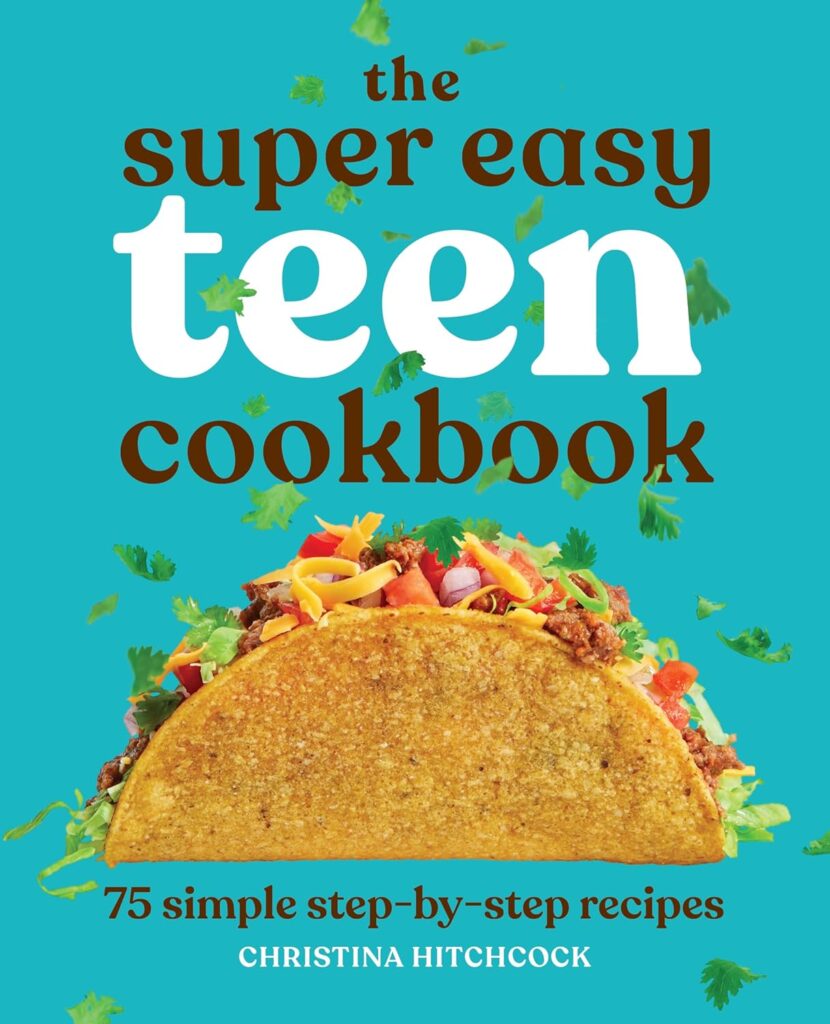
Looking for resources to help your teen learn to cook?
Sometimes the best way for teens to care for themselves is to learn how to do it for themselves. This is our favorite teen cookbook containing 75+ simple and easily explained recipes (we even gave one to our college kid who previously professed she was never going to learn how to cook.) The Super Easy Teen Cookbook has detailed, step-by-step instructions and use easy-to-find, affordable ingredients. No complicated prep work, no boring flavors, and no help from adults required―just dozens of homemade favorites like Fluffy Chocolate Chip Pancakes, Vegetarian Miso Ramen, and Parmesan-Crusted Chicken.
Parenting teens and tweens is hard, but these posts can help:
Is It More Than Just Normal Teen Anxiety? When to Seek Outside Advice
It Broke My Heart to See My Son Suffer with Social Anxiety–Here Is How to Help