

Inside: Are you tired of feeling like you are constantly arguing with your teens? Find out how to stop the battles and restore peace to your relationship.

I clearly remember when my teen son and I had our very first big argument. He was 13, and what started as a simple disagreement about cleaning his room quickly escalated into a full-blown shouting match.
After this first big blow-out, it seemed like the arguments just kept coming. I felt frustrated and helpless, wondering why every conversation seemed to turn into a conflict.
One night, after another heated argument, I retreated to my room in tears. I was so heartbroken that our once close relationship was deteriorating and I just wasn’t sure what to do. But as I slowly calmed down and really thought about what was going on, I realized that it was my approach that wasn’t working.
Often we’re so quick to blame teenagers and their irrational behavior when problems arise, that we aren’t always willing to acknowledge the part we also play in the situation. Plus, we are the adults, so often it is going to be up to us to take the first step(s) if want things to change.
I knew that I wanted to connect with him, not constantly clash. So, I had to evaluate how I could do things differently. Arguing with our teens is a common struggle for parents, but despite all the common stereotypes about the teen/parent relationship, it doesn’t have to be this way. there are different approaches we can take to build healthier communication and reduce conflicts.
Here are 10 tips to help you stop arguing with your teen
- Practice Active Listening:
Show genuine interest in your teen’s thoughts and feelings. Listen without interrupting and acknowledge their perspective, even if you disagree. Active listening involves more than just hearing the words your teen says. It means paying attention to their body language, maintaining eye contact, and responding with empathy. Phrases like “I understand why you feel that way” or “That sounds really challenging” can validate their feelings and show that you care. This approach helps build trust and shows your teen that their opinions are valued, even if you ultimately have to make decisions they might not like.
Related: When Raising Teens, It’s More Important to Focus on Love Than Perfection - Choose Your Battles:
Not every issue is worth a confrontation. Focus on the most important matters and let the smaller issues go. This shows respect for their growing autonomy. For instance, if your teen wants to dye their hair a bright color, it might be a way for them to express their identity. Weighing this against more serious issues like school performance or safety can help you decide whether it’s worth an argument. This strategy helps to avoid unnecessary conflicts and demonstrates to your teen that you trust them to make some decisions on their own.
Related: 10 Commons Battles that Will Destroy the Relationship with Your Teen - Stay Calm and Respectful:
Model the behavior you want to see. When conflicts arise, keep your tone calm and respectful. Avoid yelling or using hurtful language, which only escalates tensions. Teens are highly sensitive to tone and can easily perceive criticism or disrespect, which can lead to defensiveness and escalation. By staying calm, you show them how to handle disagreements maturely. Use “I” statements to express your feelings without placing blame, such as “I feel worried when you come home late because I care about your safety.”
Related: How to Deal with Teenage Backtalk and Disrespect - Set Clear Boundaries and Expectations:
Be consistent with rules and consequences, but also be open to discussing and negotiating them. Clear boundaries provide a sense of security and fairness. It’s important for teens to understand the reasons behind rules and feel that they have some input in the decision-making process. For example, rather than imposing a strict curfew, discuss with your teen what they think is reasonable and come to a mutual agreement. Consistency in enforcing rules is key, but so is flexibility when appropriate.
Related: Six Boundaries for Teens They’ll Thank You For Later - Understand Their World:
Take time to understand the pressures and challenges your teen faces. This empathy can help you address the root causes of conflicts rather than just the symptoms. Teens today deal with a unique set of stressors, including social media, academic pressures, and peer influences. By understanding what they are going through, you can provide more targeted support and address issues more effectively. Ask open-ended questions about their day, their friends, and their interests to gain insight into their world.
Related: Dear Parents: This Is What I Need From You During These Hard Teen Years - Encourage Open Communication:
Create a safe environment where your teen feels comfortable sharing their thoughts and feelings without fear of judgment or immediate reprimand. Open communication is crucial for a healthy parent-teen relationship. Show that you are willing to listen and discuss any topic, even difficult ones. Reinforce that their honesty will not lead to immediate punishment but rather to a constructive conversation. This can be achieved by regularly having non-confrontational, open-ended conversations about various topics.
Related: This Is The Type Of Conversation That Will Build Trust And Connection With Your Teen - Spend Quality Time Together:
Engage in activities that your teen enjoys. Building a positive relationship outside of conflicts can strengthen your bond and make them more willing to listen. Shared activities, whether it’s watching a movie, playing a sport, or just going for a walk, can create a foundation of positive interactions. Getting out of your regular environment by taking a special trip, whether a local venture for a hike or a special vacation you plan together, can help you bond with your big kid. These moments help to build a stronger, more positive relationship, making it easier to navigate conflicts when they arise.
Related: Ten Fun Activities to Bond with Your Teenagers - Avoid Power Struggles:
Remember, the goal is not to “win” but to understand and be understood. Seek compromises and solutions that respect both your needs and those of your teen. Power struggles can damage the relationship and lead to resentment. Instead of insisting on being right, focus on finding a middle ground where both you and your teen feel heard and respected. This approach fosters cooperation rather than competition.
Related: Ending the Power Struggle with My Teen Meant Giving Up Some Control - Seek Support When Needed:
Don’t hesitate to seek help from a counselor or therapist if conflicts become too frequent or intense. Professional guidance can provide new strategies and perspectives. Sometimes, external support can help both you and your teen gain new insights into your relationship dynamics. A therapist can offer strategies to improve communication and resolve conflicts in a healthy way. - Reflect on Your Behavior:
Be willing to reflect on and adjust your own behavior. Sometimes parents need to change their approach to improve the relationship. Self-reflection is a critical part of effective parenting. Consider whether your actions or words might be contributing to conflicts and be open to making changes. Apologizing to your teen when you are wrong can model humility and respect, encouraging them to do the same.
Related: Loving Our Teens Means Letting Go Of Our Own Fears and Control Issues
As I started implementing some of these tips, things definitely began to improve. It wasn’t an overnight transformation for my son and I, but gradually we started arguing less and talking more. It felt good to see our relationship begin to recover and to have our home return to a more peaceful state, at least as peaceful as one can hope when raising teens.
Are you looking for more information on how to have a solid relationship with your big kids?
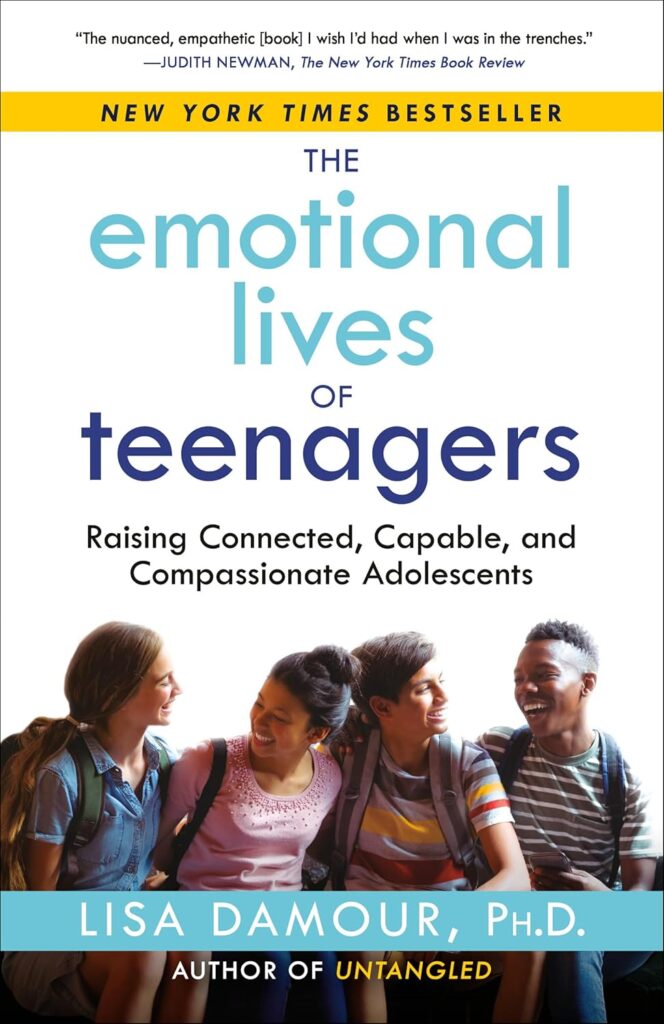
We love this book from Lisa Damour, The Emotional Lives of Teenagers by Lisa Damour.
Parenting teens is hard, but these popular posts that other parents found helpful just might make it a little easier.
6 Tips That Will Help You Deal With Teenage Disrespect
10 Commons Battles that Will Destroy the Relationship with Your Teen
The Powerful Reason Why I Learned How to Pick My Battles With My Teen