

This is a contributed post from SafeSleeve, a provider of anti-radiation cases for cell phones.
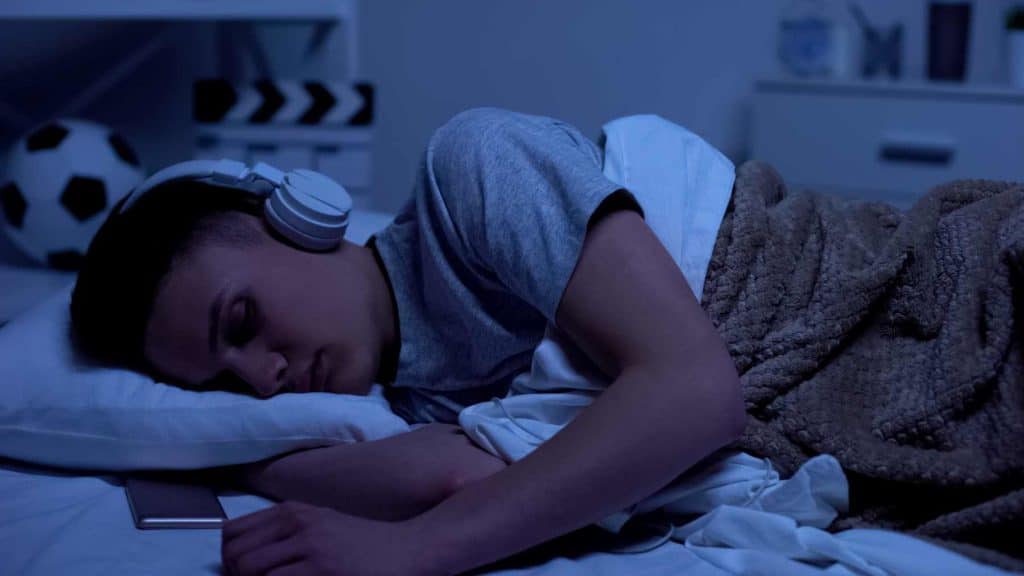
In a digital era dominated by smartphones, teenagers and their devices often seem inseparable. As parents, it’s crucial to understand the potential impact of this close relationship, particularly when it comes to sleep quality. This article aims to explore the question: is sleeping with a cell phone next to you a bad idea for teenagers? Let’s delve into how smartphones can negatively impact teens’ sleep and overall health.
3 Ways Smartphones Negatively Affect Adolescent Sleep
1. Blue Light and Sleep Disruption
The blue light emitted by screens can disrupt the production of melatonin, a hormone that regulates sleep cycles. This disruption can lead to difficulty falling asleep and poor sleep quality.
The emission of this light inhibits melatonin production compared to other light sources. This heightened inhibition, particularly when exposed shortly before bedtime, can delay the onset of sleep and detrimentally affect the overall quality of rest.
2. Stimulation and Anxiety
The continuous exposure to social media and online interactions via smartphones can increase feelings of inadequacy and comparison among teenagers. As they scroll through curated feeds showcasing seemingly perfect lives, teenagers may experience a sense of inadequacy and self-doubt, further amplifying their anxiety levels. Moreover, the addictive nature of social media platforms can result in compulsive behavior, with teenagers feeling compelled to constantly check their phones for updates and notifications, perpetuating a cycle of stress and anxiety.
Furthermore, excessive smartphone use can disrupt teenagers’ daily routines and negatively impact their mental well-being. Spending excessive amounts of time on screens may lead to neglect of other activities crucial for mental health, such as physical exercise, social interactions, and hobbies. This imbalance can further exacerbate feelings of isolation and loneliness, contributing to a decline in overall mental health. Additionally, the blue light emitted by screens can interfere with teenagers’ sleep patterns, leading to sleep disturbances and exacerbating feelings of fatigue and irritability during the day.
3. Addictive Material
Smartphones provide access to a vast array of internet content, some of which can be addictive. Engaging with stimulating or emotionally charged content in the late-night hours can further upset teen sleep habits and negatively impact their circadian rhythm.
Related: 4 Ways to Help Your Teenage Son Practice Self-Care
Prioritizing Teenagers’ Health
The question of whether sleeping with a cell phone next to them is a bad idea for teenagers is multifaceted. While smartphones offer numerous benefits and opportunities for connectivity and learning, they can also pose challenges to teenagers’ overall health and cause insomnia. As parents, it’s essential to be proactive in promoting healthy sleep habits and creating a supportive environment that prioritizes restful sleep for teenagers.
There is also another concern. Recently, the FCC announced they are investigating Apple and Samsung for violating Radio Frequency (RF) radiation limits emitted by their cell phones. This is in response to an internal study by the Chicago Tribune that showed RF emissions as much as five times the limits set by the US government — limits that have already been criticized for being outdated (established in the 1990’s) and overly lenient.
In addition, new research from the National Toxicology Program (NTP, a division of the National Institutes of Environmental Health Sciences (NIEHS)) revolves around a common and seemingly non-threatening item, the cell phone.
The results are clear: cell phone radiation does, indeed, have adverse health effects. Ranking as one of the most comprehensive assessments to date; the 25-million-dollar, ten-year government study determined the effects in rats and mice from exposure to radio-frequency (RF) radiation from cell phones. Researchers found increased rates of cancer in male rats exposed to cell phone radiation. Several leading doctors and scientists have stated cell phone radiation and radiation from other personal electronic devices is also linked to Alzheimer’s and Parkinson’s disease, behavioral problems, asthma, insomnia, autism, childhood obesity, cardiac stress, and ADD.
Electronic devices (laptops, cell phones, tablets etc.) emit Electromagnetic Radiation (EMR), or Electromagnetic Fields (EMF) that are comprised of Extremely Low Frequencies (ELF), Radio Frequencies (RF, Wi-fi, data etc.) and Thermal Radiation (heat), all of which are potentially harmful. Gamma Rays, X-Rays and UV are also types of EMR.
EMR has a high decay rate which means that most of the exposure is felt within a few inches and especially with direct contact. EMR can penetrate most natural and man made materials including wood, plastic, pillows, blankets, clothes etc. This means sleeping with a cell phone close to your head or under the pillow can be dangerous.
Also, when cell phones are outside of the bedroom, parents can protect their teen’s exposure to Electromagnetic Frequency (EMF) exposure by using lab-tested shielding products such as SafeSleeve cases. Their shielding technology has been tested in an independent FCC-accredited laboratory to show reductions of Electromagnetic Radiation of up to 99% (5G, Wi-Fi, cellular, etc.) and up to 92% of ELF (battery, AC power, etc.) cell phone radiation from your teenager’s phone.
Adverse Effects of Poor Sleep on Teenagers
Teenagers are notorious for having poor sleep habits, but there are many reasons why parents need to make sleep a priority.
Impact on Academic Performance
Poor sleep quality among teenagers can significantly affect their academic performance in various ways. When adolescents experience sleep deprivation, their cognitive function is compromised, leading to difficulties in concentration and alertness, memory retention, and learning. This can directly translate into lower grades, decreased productivity, and academic challenges such as an impact on their motivation, engagement in learning activities, and ability to handle academic stress effectively.
The thing about sleep is that both quality and quantity matter. And research has shown that teenagers who consistently lack quality hours of sleep are more likely to experience difficulties in school, including tardiness, absenteeism, poor decision-making, and decreased problem-solving skills. Furthermore, the cumulative effects of sleep deprivation can exacerbate existing academic challenges, making it harder for students to perform at their full potential.
Parents and educators need to recognize the link between sleep health and academic success. By prioritizing healthy sleep habits, providing adequate support, and creating a conducive learning environment, we can help teenagers achieve better academic outcomes and overall well-being.
Mood and Mental & Physical Health
Sleep problems can exacerbate feelings of irritability, mood swings, and even contribute to the development of mental health issues such as depression and anxiety. Teenagers may experience increased emotional volatility and find it challenging to regulate their emotions effectively.
Inadequate sleep can also have implications for physical health, including weakened immune function, increased risk of obesity, and hormonal imbalances.
3 Strategies for Parents to Encourage Healthy Sleep Habits
1. Setting Boundaries
Establishing clear boundaries around mobile phone use, especially before bedtime, is essential. Parents can encourage their teenagers to establish a digital curfew, designating a specific time when electronic devices are turned off or kept out of the bedroom. Digital curfews can mitigate the negative effects of sleeping with your phone.
2. Leading by Example
Parents play a crucial role in modeling healthy behaviors for their teenagers, and limiting screen time is one way to do just that. By prioritizing their own sleep and demonstrating the importance of unplugging before bed, parents can set a positive example and reinforce the value of good sleep hygiene.
3. Promoting Relaxation Techniques
Encouraging teenagers to engage in relaxing activities before bed can help them unwind and prepare for sleep. Activities such as reading a book, practicing mindfulness or meditation, or taking a warm bath can promote relaxation and improve sleep quality.
Also, ensuring that the bedroom environment is conducive to sleep is essential. Parents can help by minimizing distractions and creating EMF Zones removing personal electronics such as cell phones and laptops. If your teenager’s phone serves as their alarm clock, consider having them place the phone a few feet away from the bed to create distance while sleeping.
Related: Six Of The Best Mindfulness Apps For Teens To Help Them Manage Life
*This post may contain affiliate links where we earn a small commission for purchases made from our site.
When you are in the thick of raising teens and tweens, we recommend Loving Hard When They’re Hard to Love by Whitney Fleming. In Loving Hard When They’re Hard to Love, blogger Whitney Fleming shares her favorite essays about raising three teenagers in today’s chaotic world. Written from the perspective of a fellow parent, each story will leave you with tears in your eyes and hope in your heart because someone else is saying exactly what’s been going through your mind.

Parenting teens and tweens is a tough job, but you’re not alone. These posts might help:
10 Commons Battles that Will Destroy the Relationship with Your Teen
My Teen Won’t Come Out of Their Bedroom





5035or