

The following is a contributed post by Tierra Duncan, author of The Birth Control Illusion: Reclaiming Hormones, Health, and Your Cycle.
For many women, their first experience with menstruation was confusing, rushed, or tinged with embarrassment. I honestly do not remember much about what I was told about my own menstrual cycle, which is probably not a good sign.
What I do remember is feeling self-conscious when my first period arrived and spending years without fully understanding what it actually meant.
Fortunately, parents today have access to far better information and resources. And perhaps more importantly, there is a growing recognition that menstruation is not something we need to hide or whisper about. It is a normal biological process and an important sign that the body is developing as expected.
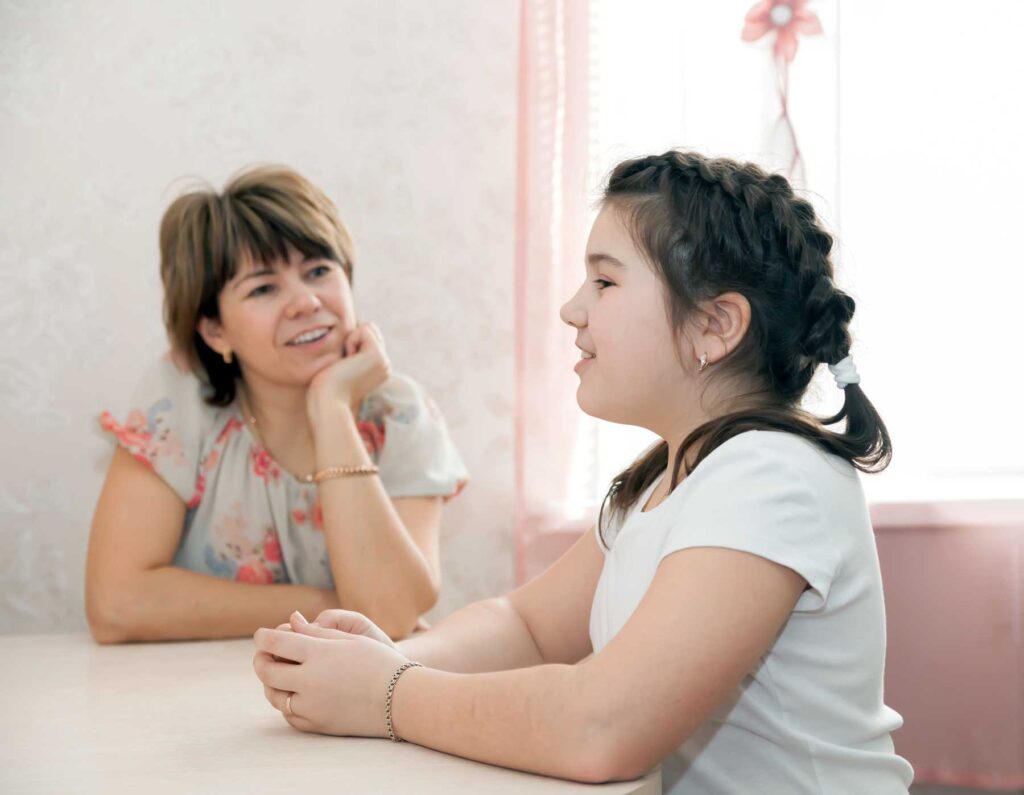
Talking to your daughter about her period does not need to be a single, awkward conversation. It can be an ongoing discussion that encourages her to learn about her body, feel prepared for the changes ahead, and know she can come to you with questions.
Start Talking About Periods Earlier Than You Think
One of the best ways to reduce anxiety is to begin the conversation before your daughter even gets her first period.
This does not mean you need to sit down for a formal lecture. Instead, you can introduce her to age-appropriate information gradually.
As your daughter begins noticing changes in her body, such as breast development, body hair, or emotional fluctuations, you can explain to her that these are normal parts of growing up.
When periods do eventually begin, they will feel like a natural next step rather than a frightening surprise.
Explain That a Period Is More Than Just Bleeding
Many girls are told that a period is simply the monthly shedding of blood. While it’s true that we bleed, that fact alone leaves out the bigger picture.
A simple way to explain the menstrual cycle is to describe it as a monthly process in which the brain, ovaries, and uterus work together through hormones.
1. Follicular Phase
This phase begins on the first day of bleeding. During this time, the brain signals the ovaries to mature several follicles, each containing an immature egg. As one follicle becomes dominant, it produces increasing amounts of estrogen. Estrogen helps rebuild the uterine lining and can influence mood, energy, and brain function.
2. Ovulation
Around the middle of the cycle, a mature egg is released from the ovary. Ovulation is the central event of the menstrual cycle and the time when pregnancy is possible if sperm are present.
3. Luteal Phase
After ovulation, the empty follicle begins producing progesterone. This hormone stabilizes and supports the uterine lining. Progesterone can also have a calming effect on the brain and nervous system.
4. Menstruation
If pregnancy does not occur, estrogen and progesterone levels fall. The uterine lining is no longer needed and is shed as menstrual bleeding. The first day of bleeding marks the start of a new cycle.
When girls realize that their cycle is more than “just bleeding,” they are often better able to connect what they feel physically and emotionally to what is happening in their bodies.
And, while many people think of the menstrual cycle as lasting 28 days, healthy cycles can vary in length, and it is common for periods to be somewhat irregular during the first few years after menstruation begins.
You may also like to read: How To Talk To Your Tween Son About Periods
Help Her Understand Common Symptoms of Menstruation
Hormonal shifts throughout the cycle can influence mood, energy, appetite, breast tenderness, and cramps.
So, explaining that this happens can be incredibly reassuring. If your daughter feels more emotional, tired, or uncomfortable at certain times of the month, she can begin to see these as part of a regular pattern rather than something mysterious or alarming.
Tracking symptoms on a calendar or in an app can also help her notice trends and anticipate what to expect.
It is important to remember that puberty is a time of adjustment. Irregular cycles, mild cramps, and variations in mood are common as the body finds its rhythm.
However, some symptoms do warrant medical attention. If your daughter experiences extremely heavy bleeding, severe pain, dramatic mood swings, or symptoms that interfere with school and daily activities, it is worth discussing them with a qualified healthcare provider.
Normalize the Physical Changes of Puberty
Periods are just one part of puberty.
As estrogen rises, girls typically notice changes in body composition, including the development of breasts and increased fat distribution around the hips and thighs. These changes are healthy and expected!
Framing these developments as signs that the body is maturing can help reduce shame and foster a more positive body image.
Prepare Your Daughter in Practical Ways
Beyond explaining the biology, it helps to show your daughter how to use menstrual products.
Pads are often the easiest place to start. As she becomes more comfortable, you can discuss tampons, menstrual cups, or period underwear.
Consider putting together a small period kit for her backpack with:
- A few pads
- Clean underwear
- Wipes
- A discreet pouch
Knowing she is prepared can ease much of the anxiety surrounding her first period.
You may also like to read: 10 Things Girls Need from Their Moms During These Tough Teenage Years
Keep the Conversation Open
You do not need to have all the answers. One of the most powerful things you can say is, “I’m not sure, but we can figure it out together.”
This communicates that her questions are welcome and that she does not need to feel embarrassed about asking them.
The goal is not to deliver a perfect explanation for every question. The goal is to create a relationship in which she feels safe talking about her body.
Why This Conversation Matters
Menstruation is not something to be afraid or ashamed of. It is a natural biological process and, in many cases, an important indicator of health.
When girls understand what their cycle is, they are more likely to:
- Recognize when something feels off
- Communicate openly about their symptoms
- Develop a healthier relationship with their bodies
- Feel empowered rather than self-conscious
For mothers, these conversations can also be deeply meaningful. Even if your own experience with menstruation was confusing or uncomfortable, you have the opportunity to create something different for your daughter.
By approaching the topic with openness, honesty, and reassurance, you can help her see her menstrual cycle not as an inconvenience or burden, but as an integral and powerful part of being female.
For more tips and resources on having the “period talk”, we recommend The Birth Control Illusion: Reclaiming Hormones, Health, and Your Cycle by Tierra Duncan.

Parenting teens and tweens is a tough job, but you’re not alone. These posts might help:
15 Great RomComs to Watch With Your Teens
Seven Critical Things to Know When Your Son Goes Through Puberty
House Rules to Teach Teens to Be Safe and Respectful
My Teen Doesn’t Want to Learn to Drive And I’m Not Sure What to Do
*This post may contain affiliate links where we earn a small commission for purchases made from our site.