

Inside: Teen attitude and disrespect doesn’t have to be a part of adolescence. If you look at the behavior as a symptom of a bigger issue, or a form of communication, you can build a better relationship.

This is a contributed post by Wendy Snyder, found of Fresh Start Family.
Parenting a teenager can feel like trying to build a sandcastle just as the tide rolls in. Just when you think you’ve got it figured out, another wave of pushback crashes in. Whether it’s eye-rolling, tech battles, or constant teen attitude, many parents feel stuck in a frustrating cycle, wondering: “Why does this keep happening?”
Here’s the good news: teen attitude and misbehavior isn’t random or personal, it’s communication. Beneath every outburst, refusal, or sassy remark is a need trying to be met.
Related: Why And How To Stop Taking Your Teen’s Attitude Personally
At Fresh Start Family, I teach parents five core root causes of teen attitude and misbehavior. Understanding these patterns helps us shift from reacting with a desire for control to responding with wisdom. This enables us to guide our teens with connection, consistency, and confidence.
Let’s dive into five root causes for teen attitude and misbehavior and how to respond.
1. Desire for autonomy and power
What if disrespect isn’t what you think it is?
Teens are wired for independence. Their job is to push boundaries and explore who they are. So when they say, “Whatever,” or slam a door, it’s often about autonomy, not disrespect.
Power struggles happen when we meet their independence with control… using threats, punishments, or micromanagement. The more we push, the more they push back.
So, what can you do?
- Collaborate, don’t control: Instead of “Do your homework or else,” try “What’s your plan for getting homework done tonight? I’m here to support you.”
- Give choices within limits: “Do you want to clean your room before or after dinner?”
- Use agreements: “We agreed on no screens after 9 p.m… how can we make that work tonight?”
- Validate their feelings: “I get that you want more freedom. That makes sense.”
When teens feel respected and empowered, they respond with more cooperation and less resistance.
2. Need for Attention and Unconditional Love
“See Me, Hear Me, Love Me”
Teens still want to feel seen and heard by their parents, sometimes even more than when they were little. When they feel disconnected, they may act out to get your attention, even if it’s negative. Some examples include rebellion, snarky comments, aggressive behavior, or even blatantly ignoring you.
What can you do?
- Give proactive attention: “Want to grab tacos tonight and catch up?”
- Notice the good: Don’t let all your energy go toward correction. Celebrate effort and character.
- Replace nagging with curiosity: Instead of “Why haven’t you started your homework?” ask, “What’s your plan for getting it done today?”
- Be distraction free: Put your phone down when they enter a room or close your laptop. This also models good communication behavior for them.
Connection always fuels cooperation. When teens feel emotionally safe and valued, they don’t need to act out to get your attention.
3. Revenge/Payback
“You Hurt Me, I’ll Hurt You”
Has your teen ever snapped at you or given the silent treatment out of nowhere? This can be a sign of emotional pain. If they feel wronged, they may try to make you feel hurt too, especially if that’s what they’ve seen modeled. (ouch, I know that stings a bit since we know most of what kids learn is caught, not taught).
This mistaken belief of “I’m hurt, so I must hurt back” often leads to revenge-style behavior like name-calling, slamming doors, or shutting down.
What you can do:
- Pause and regulate yourself first: Try, “I see you’re really upset. Let’s both take a minute to breathe and figure this out when we’re calmer.”
- Acknowledge hurt without shame: “I get that this feels unfair. I’m here to listen.”
- Model repair: “I raised my voice earlier. That wasn’t okay. I’m sorry.
- Teach emotional literacy: “I don’t think you meant to be unkind when you said, ‘I hate you, Mom.’ I think you were feeling really hurt. Next time, could you say that instead? You’re allowed to tell me how you feel, even when you’re mad.”
Teens who feel emotionally supported and seen don’t need to protect themselves through revenge. They learn to process hurt and communicate more respectfully.
Related: No, Your Teen Doesn’t Really Hate You
4. Inadequacy
“I can’t so I won’t.”
When a teen refuses to try, procrastinates, or seems checked out, it’s often not laziness, it’s fear of failure. If they don’t believe they’re capable, they’d rather not try at all than risk failing.
What you can do:
- Praise effort over outcome: “I saw how hard you studied. I’m proud of your perseverance.”
- Break things into smaller steps: “What’s the first thing you could do to get started?”
- Hold them in the light: “You’ve got this. I know it feels tough, but I believe in your creativity and strength.”
- Normalize mistakes:“I totally messed up my project at work today, but I learned so much. Failure is just unfinished success!”
Encouragement builds courage. Teens thrive when they’re reminded that mistakes are part of learning and that their worth isn’t tied to performance.
5. Significance
“Do I matter?“
Every child wants to feel important in their family, and the world. Teens who don’t feel significant may act out to prove they matter, often through defiance or risky behavior.
This root cause often shows up as testing limits, constantly seeking validation, or rejecting family values to gain belonging elsewhere.
What can you do:
- Invite their input: “What do you think would make mornings go smoother?”
- Give meaningful responsibilities: “You’re great at organizing. Can you plan our next outing?”
- Affirm their strengths:“You’re really intuitive about people. What’s your take on this situation?”
- Let them lead: Encourage them to mentor a sibling, choose a weekend activity, or take ownership of a project.
- Make them right: Yep, more often than you correct. Instead of pointing out what they’re doing wrong, affirm what you already know is good about them. “You’re right, I am old (lol) … and you’re great at tech. Can you help me figure this out?”
When teens feel significant… like their voice matters, their strengths are noticed, and their contributions are valuable… they don’t need to seek that validation in unhealthy ways.
Teen Attitude Is a Symptom
When your teen misbehaves, it’s easy to fall into the trap of reacting with frustration, threats, or punishment. But what if, instead, you paused and asked: “What’s the unmet need here?”
This simple shift, from fixing to understanding, changes everything.
You’ll start to see defiance as a call for independence. Outbursts as signs of emotional pain. Disengagement as fear, not laziness. And attention-seeking as connection-seeking.
So next time your teen rolls their eyes or slams the door, take a deep breath. Lean into curiosity and compassion. Respond with connection, not control.
Because when we meet attitude and misbehavior with wisdom, we don’t just survive the teen years, we grow stronger as a family.
To learn more about the author and her approach to more peaceful parenting, visit Fresh Start Family.
Are you looking for more resources to parent more effectively?
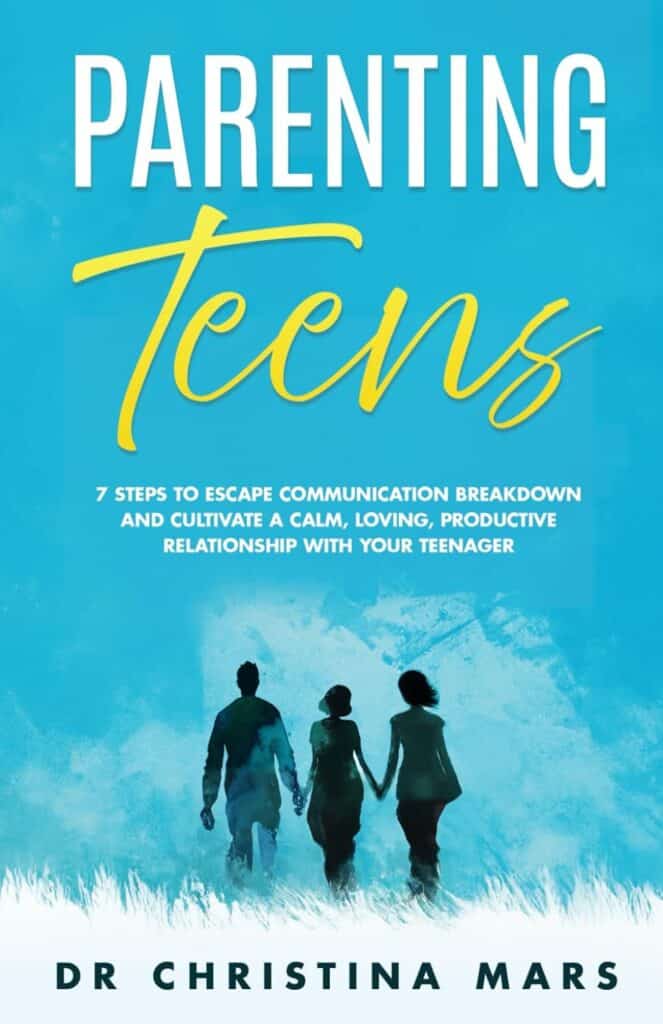
We like this book: Parenting Teens-7 Steps to Escape Communication Breakdown and Cultivate a Calm, Loving, Productive Relationship with Your Teenager
Parenting teens and tweens is hard, but you don’t have to do it alone. These posts can help:
Why Teens Don’t Need to Be More “Vulnerable” at Home
This Is How to Turn Off Your Teen’s Argumentative Brain
Seven Simple Consequences for Teens to Help with Discipline
Keeping a Strong Connection Makes the Difference in the Teen Years





honored to be featured here! families, come find me & say hello! http://www.freshstartfamilyonline.com . Our podcast is The Fresh Start Family Show & I’m also on instagram as @freshstartwendy : )