

The following is a contributed post from Brian Blackwood, MD, FACS. Trauma Medical Director, St. Anthony Hospital
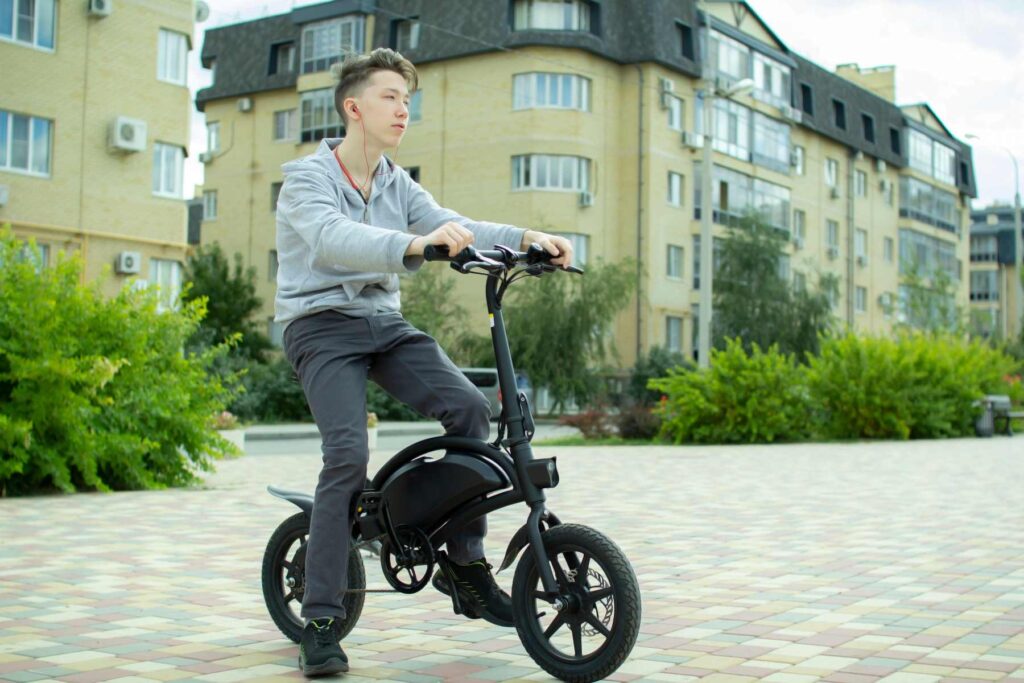
As we parents look out from our homes at the kids playing in the neighborhood, we might notice something new. The simple pedal bikes our children once relied on for transportation now have an exciting new counterpart: the electronic bike, or e-bike. These e-bikes are thrilling for kids, and let’s be honest, for us parents too! What used to be a challenging journey to a friend’s house or school now feels like a pleasant ride with the help of pedal assistance. It’s easy for us to see e-bikes as a fantastic idea—a way to get our kids active outdoors, save on transportation costs compared to a car, and feel environmentally conscious.
But there’s something we might not be fully grasping. We don’t always realize the significant risk of life-altering and even life-threatening traumatic injuries associated with e-bike crashes.
More Kids On E-Bikes Means More Injuries
We’ve seen a dramatic surge in e-bike use among adolescents and teens since 2020, especially in that 10-17 age group. E-bike sales have jumped nearly 90% from 2020 to 2024, making middle school and high school students one of the fastest-growing groups of riders.
Unfortunately, with more kids on e-bikes, we’re also seeing a concerning rise in serious injuries. Estimates from 2019-2023 show the frequency of pediatric e-bike injuries skyrocketing from 4.18% to 49.8%. We’re seeing a predominance of male patients, aged 13-18. Even more alarming than just the increase in injuries is how much more severe they are compared to traditional bicycle accidents. These are injuries that could change a child’s life forever, or even take it away. Medical providers are seeing a significant number of children coming in with head, neck, and facial trauma. Some studies even show young e-bike riders have a two times increase in traumatic brain injuries, a three times increase in facial fractures, and nearly a five times increase in intracranial bleeding. These numbers are truly startling and deeply concerning for us.
You may also like to read: 8 Ways to Keep High Schoolers Safe in Today’s Chaotic World
Why Are E-Bikes Dangerous for Kids?
You might be asking yourself, “Why are these bikes more dangerous than a standard bicycle?” Well, there are a few key reasons. While e-bikes share many of the same risks as a regular bike, some characteristics significantly increase both the likelihood and the severity of a crash.
The first reason for increased danger is speed. On a standard bicycle, our everyday riders might hit speeds of 10-15 mph. However, depending on the e-bike’s classification, a rider can reach speeds up to 28 mph. Class I and II e-bikes typically have a top speed of 20 mph, while Class III e-bikes can reach 28 mph. This increase in speed directly translates to increased force upon impact when a rider crashes. More force, as we know, means more severe injuries.
Other hidden dangers of these e-bikes are their increased acceleration and their heavy weight. Even lower-powered electric bikes offer a significant boost in acceleration compared to what a rider might be used to on a standard bicycle. Plus, Class II e-bikes have a hand-controlled throttle that allows acceleration without pedaling. Inexperienced riders can be caught off guard by this sudden burst of speed, making it easier for them to lose control, hit stationary objects, bump into other people, or unintentionally drift into oncoming traffic. The weight of these e-bikes is another critical factor. E-bikes generally weigh, on average, twice as much as a standard bicycle—around 50-70 lbs. As you can imagine, this can make them much harder to handle and to stop. And, of course, more weight means even more force in a crash.
4 Ways To Help Your Child Ride an E-Bike Safely
So, what do we do about this? This isn’t an article asking us parents to forbid our children from riding e-bikes. As we’ve discussed, e-bikes can be fun, useful, economically beneficial, and environmentally friendly. My goal here is to draw our attention to the serious risk of severe injury that comes with riding an e-bike, and to offer safety tips to help minimize that risk. So, here are a few things for us parents to consider as we think about e-bikes for our children.
1. First, let’s have open discussions with our children about the risks involved with riding e-bikes.
Let’s make sure they understand that an e-bike is not the same as a regular bicycle. Spend time explaining how a larger, heavier, and faster bike can be difficult to control and can lead to much more significant injuries if they were to crash. A clearer understanding of this, from our children’s perspective, will hopefully lead to safer riding practices.
You may also like to read: The Popular Tech Habit Quietly Damaging Your Teen’s Hearing
2. Second, we must ensure our children are wearing the appropriate safety equipment.
Anyone riding an e-bike absolutely must wear a helmet. Furthermore, the type of helmet and how it fits are incredibly important. Not all bicycle helmets are designed to withstand impact at higher speeds. If your child will be riding an e-bike that can go faster than 20 mph, you should ensure you have a helmet that is NTA 8776 certified and preferably has rotational impact protection. Examples of rotational impact protection you might see are MIPS, WaveCell, and KinetiCore. Any helmet you buy should sit level on your child’s head and feel secure when they shake their head in all directions. Additionally, let’s consider helmets that offer full facial protection to help prevent facial fractures and dental injuries.
3. Third, let’s spend some time thinking about the classification of e-bike you might want to purchase.
Class I e-bikes have a top speed of 20 mph and only offer pedal assist – no throttle. This is likely the safest classification you can purchase, considering the manufactured capabilities of the bike. Class II e-bikes also have a top speed of 20 mph, but they include a throttle option, which can potentially make controlling the bike more difficult and therefore increase the risk of a crash. Class III e-bikes have a higher top speed of 28 mph, which, again, will increase the risk of more severe injuries. We should consider all these factors when looking at our child’s age and riding experience.
4. Finally, let’s spend time practicing riding e-bikes with our children.
Show them how to safely handle the bikes and how to use the pedal assist and throttle, if applicable. Make sure we feel comfortable with how they handle the bike before allowing them to ride more independently.
An e-bike can be a fun and often useful addition to our children’s lives. However, their increased weight, speed, and acceleration inherently bring a greater risk of severe traumatic injury. Knowing these risks and following the tips outlined here can help us reduce the incidence and severity of injuries. This will allow our children to truly enjoy their bikes the way they were designed to be enjoyed.
If you’re looking for a great resource to help you navigate the tumultuous years of raising teens, we recommend Loving Hard When They’re Hard to Love by Whitney Fleming.

Parenting teens and tweens is a tough job, but you’re not alone. These posts might help:
Teen Boys Need These 9 Simple Things to Get Through These Tough Years
The Devastating Impact of My Daughter’s Best Friend’s Betrayal
The Best Tween Movies To Stream
How to Get Teens to Help Around the House (Without Nagging)
*This post may contain affiliate links where we earn a small commission for purchases made from our site.